


If your diet is making you feel constantly drained, sluggish, and low-energy, WAKE UP! Your body is trying to tell you something.
One of the most common things people don’t expect when they start trying to lose weight is how tired they suddenly feel. At first, there’s usually a burst of motivation and structure, but after a few days or weeks, energy starts to dip. Workouts feel harder, afternoons feel heavier, and even simple daily tasks start to feel like they take more effort than they should.
A lot of people assume this is just part of dieting. They think fatigue is the price you pay for progress, so they try to push through it with more caffeine, stricter rules, or even less food. But that approach usually makes things worse, not better.
Constant tiredness during weight loss is usually not a sign that your body is “failing.” It’s more often a sign that something about your current routine isn’t supporting your energy needs properly. When your body doesn’t have enough fuel, balance, or recovery, it’s going to show up as fatigue.
The good news is that you can adjust this. Once you understand what’s actually driving the energy drop, it becomes much easier to fix.
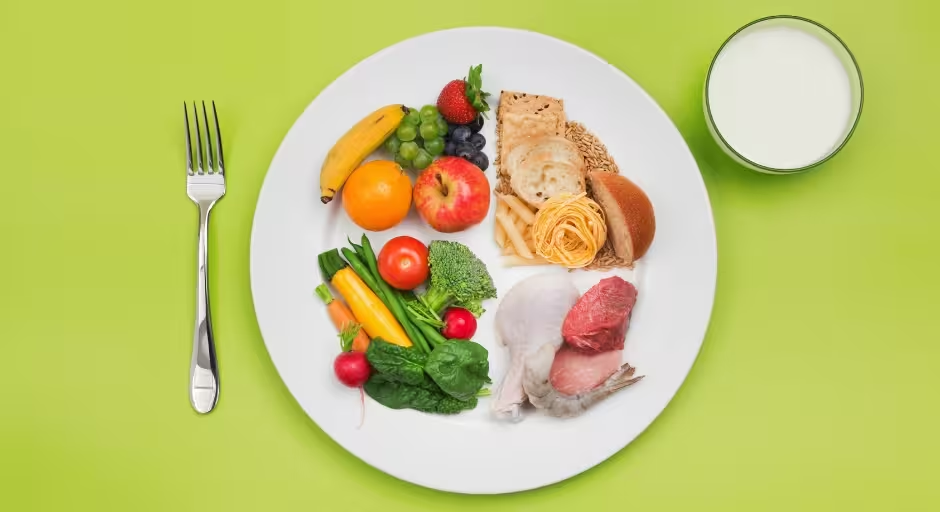
One of the biggest reasons people feel exhausted on a diet is simply under-eating. This doesn’t always happen intentionally. In fact, many people don’t realize how much their intake has dropped, especially if they’re skipping meals, eating very small portions, or trying to be overly restrictive.
When your body doesn’t get enough energy from food, it starts conserving energy wherever it can. That often shows up as low energy, brain fog, irritability, and a general feeling of being “off.”
This becomes even more noticeable with GLP-1 medications, where appetite naturally decreases. While that can be helpful for weight loss, it also means it becomes easier to unintentionally eat far less than your body needs to function well. Without structure, it’s very easy to miss key nutrients and end up running on empty without realizing it.
Carbohydrates often get reduced first when people start dieting, but they are one of the body’s primary energy sources. When carb intake drops too low for too long, especially alongside a calorie deficit, fatigue can set in quickly.
You don’t need a high-carb diet, but your body does need some level of consistent carbohydrate intake to support brain function, physical activity, and overall energy production. Foods like fruit, oats, rice, potatoes, and whole grains can all play a role in keeping energy more stable throughout the day.
When carbs are too restricted, many people notice they feel fine in the morning but crash later in the day, especially after activity or long gaps between meals.
Protein plays a major role in keeping energy steady, not just in supporting muscle. When meals are built around protein, they tend to keep you fuller longer and help stabilize blood sugar, which prevents those sharp spikes and crashes that can leave you feeling exhausted.
If your meals are mostly quick carbs or very light overall, your energy may rise quickly and then drop just as fast. That pattern can make you feel like you’re constantly chasing energy with snacks or caffeine.
Building meals with a solid protein base helps create a steadier energy curve throughout the day, which makes everything feel more manageable.

Dehydration is one of the simplest but most overlooked causes of fatigue during weight loss. Even mild dehydration can affect focus, energy, and mood.
When you’re eating less overall, your fluid and electrolyte intake can also drop without you noticing. This can be especially true if you’re eating fewer whole foods or relying more on packaged “diet” options that don’t provide much natural hydration.
Consistent water intake, along with foods that contain natural electrolytes like fruits and vegetables, can make a noticeable difference in how energized you feel.
Sometimes fatigue isn’t just about food. It’s also about activity levels not matching recovery.
When people start a new routine, they often go all in with workouts, steps, and lifestyle changes at once. While movement is important for fat loss and overall health, doing too much too quickly without proper recovery can leave you feeling constantly drained.
Your body needs rest days, lighter days, and time to adapt. Without that balance, fatigue becomes the norm instead of the exception.

If you’re using GLP-1 medications through HealthiCare, fatigue can show up in a slightly different way. Because appetite is reduced and eating feels less urgent, it becomes easier to unintentionally under-fuel throughout the day.
That’s why structure becomes so important. With HealthiCare, you’re supported by licensed clinicians who help guide your treatment, while the Healthi app gives you a simple way to stay on track with your nutrition through the BITE system and structured plans like Healthi Fresh.
This matters because energy isn’t just about eating more or less; it’s about consistently eating enough of the right things. Healthi Fresh, for example, is designed specifically to support GLP-1 users with a focus on protein and fiber so that even with reduced appetite, your body still gets what it needs to maintain energy, protect muscle, and support metabolism.
When you combine medication with structure and tracking, you reduce the chance of unintentionally under-eating and help your body adjust in a more stable, sustainable way.
Feeling tired on a diet isn’t something you should just accept as normal. It’s usually a signal that your body needs more balance, more fuel, or more structure.
When you support your body properly with enough food, balanced nutrients, hydration, and realistic expectations for activity, energy tends to improve—not disappear.
Sustainable weight loss should not feel like running on empty. It should feel like your body is adjusting, adapting, and still able to show up for your daily life.
October 5, 2026