

Eating less sounds like the obvious answer to weight loss, but it’s often the reason progress slows down instead of speeding up.
At some point in your weight loss journey, you may have found yourself thinking, “Maybe I just need to eat less.”
It feels logical. If weight loss comes from a calorie deficit, then eating less should lead to faster results. So portions get smaller, meals get skipped, and before long, it starts to feel like less is always better. But this is where things start to backfire.
The thing is, your body doesn’t just respond to less food by losing fat. It responds by adapting. And if those adaptations aren’t supported properly, they can make progress harder, not easier. Understanding the difference between creating a sustainable deficit and simply eating less is what shifts you out of frustration and into results that actually last.
When you consistently eat less than your body needs, it doesn’t just pull from fat stores and keep everything else running smoothly. It starts to conserve energy. Your metabolism can begin to slow down, your energy levels may drop, recovery from workouts can feel harder, and hunger hormones can become more intense over time. It might feel like eating less should help, but when you under-fuel for too long, your body starts to push back in ways that make progress harder, not easier. This isn’t your body working against you. It’s your body trying to protect you.
The longer you stay in a state of under-fueling without proper support, the more noticeable these effects can become. What started as an attempt to speed things up can turn into stalled progress, fatigue, and frustration.

Weight loss isn’t just about fat. It can also include muscle, water, and other lean tissues if your body isn’t properly supported. When calories drop too low, and protein intake isn’t prioritized, your body may break down muscle along with fat. This matters more than most people realize because muscle plays a key role in your metabolism, strength, and long-term weight maintenance.
Losing muscle can make it harder to keep weight off and can leave you feeling weaker, more fatigued, and less energized throughout the day.
The goal isn’t just to weigh less. It’s to maintain a strong, supported body while you lose fat.
When you’re not eating enough, it doesn’t just show up in weight loss patterns. It can affect your focus, your mood, your sleep, and your overall energy. You might find yourself more irritable, less motivated to move, or relying more on caffeine just to get through the day. Workouts can start to feel harder, recovery may slow down, and everyday tasks can feel more draining than they should. These aren’t signs that you need to push harder. They’re signs that your body needs more support.
To be fair, eating less often does work initially.
When you reduce calories, the scale may move quickly at first, which can definitely feel encouraging. But early changes aren’t always a reflection of long-term fat loss. Some of that initial drop can come from water weight or glycogen depletion.
As your body adjusts, that rapid progress tends to slow down. And if your approach is based solely on continuing to eat less, you can end up stuck in a cycle of restriction without sustainable results. That’s when frustration builds, and the cycle of starting over begins.
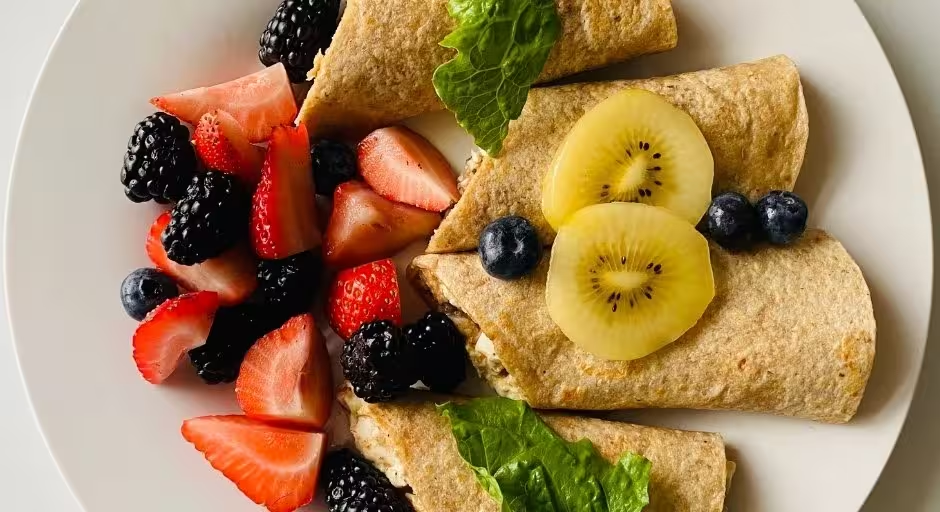
Instead of focusing on eating as little as possible, the goal is to eat in a way that supports your body while still creating a sustainable deficit.
That means prioritizing protein to protect lean muscle, including fiber to support digestion and fullness, and incorporating healthy fats to support hormones and energy. It also means eating consistently enough that your body doesn’t feel like it needs to constantly adapt to extremes.
When your body feels supported, it responds differently. Energy is more stable, hunger is more manageable, and progress becomes something you can maintain instead of chase.
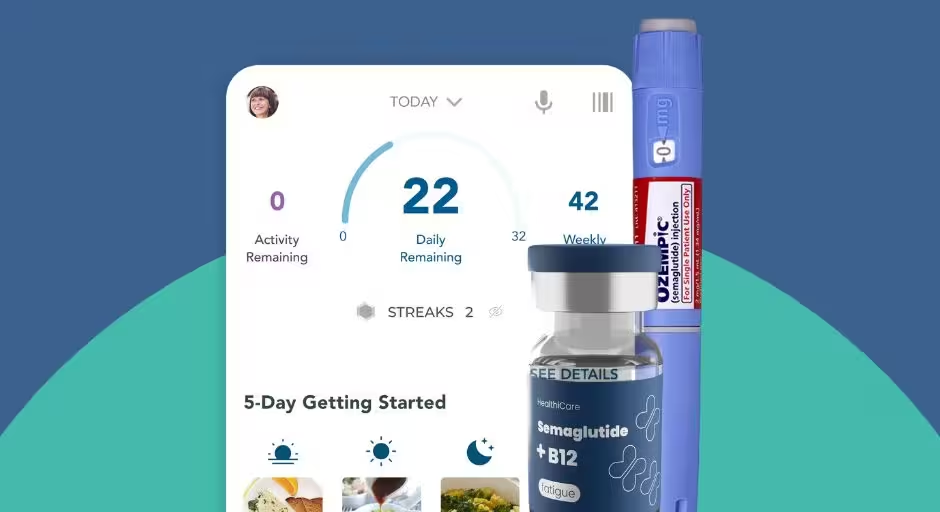
If you’re using GLP-1 medications through HealthiCare, this conversation becomes even more important.
Because appetite is reduced, it can feel natural to eat significantly less without thinking much about it. And while that can help create a calorie deficit, it can also increase the risk of under-fueling if you’re not intentional. GLP-1 is designed to help regulate appetite, not replace nutrition.
Your body still needs protein, nutrients, and enough overall intake to maintain muscle, support energy, and keep your metabolism functioning well. When you pair GLP-1 with balanced, intentional eating, you create results that are not just effective but sustainable.
This is where having structure makes all the difference.
The Healthi app helps you track your intake in a way that keeps you aware without feeling restricted. Instead of guessing whether you’re eating too much or too little, you can see patterns and adjust in a way that supports your goals.
With the BITE system, you’re encouraged to build meals that are balanced and satisfying, not just low in calories. Plans like Better Balance and Healthi Fresh help guide you toward protein-forward, nutrient-dense choices that support fat loss while maintaining energy and muscle.
And with HealthiCare, you have access to licensed clinicians and personalized support that ensures your plan is working for your body, especially if you’re using GLP-1. It takes the guesswork out of how much is “enough” and replaces it with a strategy you can actually trust.
Eating less might feel like the simplest answer, but it’s not always the right one. If your body isn’t supported, eating less can slow progress, impact your energy, and make long-term results harder to maintain.
The goal isn’t to eat as little as possible. It’s to eat in a way that allows your body to function well while still moving you toward your goals.
Remember, real progress doesn’t come from doing less. It comes from doing what works, consistently, in a way your body can actually sustain.
September 23, 2026