


You come home from vacation, step on the scale, and suddenly you’re up a few pounds. Before panic sets in, it’s important to understand what’s actually happening. In many cases, what you’re seeing has very little to do with fat gain and far more to do with normal changes that happen when life looks different for a few days.
Few things can ruin a great vacation faster than stepping on the scale the morning after you get home.
Maybe you spent a week at the beach, took a road trip with your family, enjoyed a cruise, or simply had a long weekend away from your normal routine. You had some restaurant meals, enjoyed a few treats, and gave yourself permission to relax. Then you get home, step on the scale, and see a number that’s higher than it was before you left.
For many people, that’s the moment the guilt starts creeping in.
Suddenly the focus shifts away from the memories you made and toward the fear that you’ve undone weeks or even months of progress. It’s easy to start replaying every meal, every dessert, and every decision, wondering where things went wrong.
The truth is that vacation weight is one of the most misunderstood parts of a weight loss journey. Most of the time, the number you see immediately after returning home isn’t telling the full story. Understanding what’s actually happening can help you avoid unnecessary stress and get back into your routine with confidence instead of frustration.

One of the biggest misconceptions people have about weight gain is assuming that every pound on the scale represents body fat.
In reality, body weight fluctuates constantly. Hydration levels, sodium intake, carbohydrate intake, digestion, hormones, sleep quality, travel, and even stress can all cause temporary changes on the scale.
Think about what typically happens during vacation. You’re probably eating at restaurants more often, which tend to have much bigger portions. Restaurant meals also tend to contain more sodium than home-cooked meals. You’re likely eating foods that include more carbohydrates than usual. Travel days may involve sitting for long periods of time, drinking less water, and getting less sleep than you normally would.
All of those factors can cause your body to hold onto additional water.
That’s why it’s completely normal to come home from vacation weighing a few pounds more than you did before you left. In many cases, a large portion of that increase is temporary water retention rather than actual fat gain.
One reason people become so discouraged after vacation is that they allow a single weigh-in to determine how they feel about the entire experience. The scale is a useful tool, but it’s also a limited one.
It doesn’t tell you that you walked ten miles exploring a new city. It doesn’t tell you that you spent quality time with family. It doesn’t tell you that you tried new foods, relaxed, reduced stress, or created memories you’ll remember for years.
It also doesn’t tell you whether a temporary increase is coming from water, food volume, inflammation, or actual body fat.
This doesn’t mean the scale should be ignored completely. It simply means it should be viewed as one piece of information rather than the final verdict on your progress.
Looking at long-term trends is almost always more helpful than obsessing over a single number after a trip.
Ironically, vacation itself is rarely what causes people to lose momentum. What often creates problems is what happens after they get home.
Many people return from vacation feeling guilty and convinced they’ve ruined everything. That mindset can quickly turn into an “I’ll start over Monday” mentality. A few vacation meals become a week of overeating. A week becomes a month. Before long, the vacation is blamed for weight regain that actually happened long after the trip ended. This is why your response matters more than the temporary weight increase.
The people who maintain their progress long term aren’t the people who never enjoy vacations. They’re the people who return to their normal habits without treating the trip like a failure.
A vacation is simply a break from your routine. It doesn’t require punishment, compensation, detoxes, cleanses, or extreme restrictions when you get home.
After vacation, there’s often a strong temptation to do something drastic. People promise themselves they’ll skip meals, cut carbs, double their workouts, or spend the next week eating as little as possible. While that approach may feel productive, it usually creates more problems than it solves.
Extreme reactions often lead to frustration, hunger, and burnout. Before long, the cycle starts all over again. A much better approach is surprisingly simple. Get back to your normal routine.
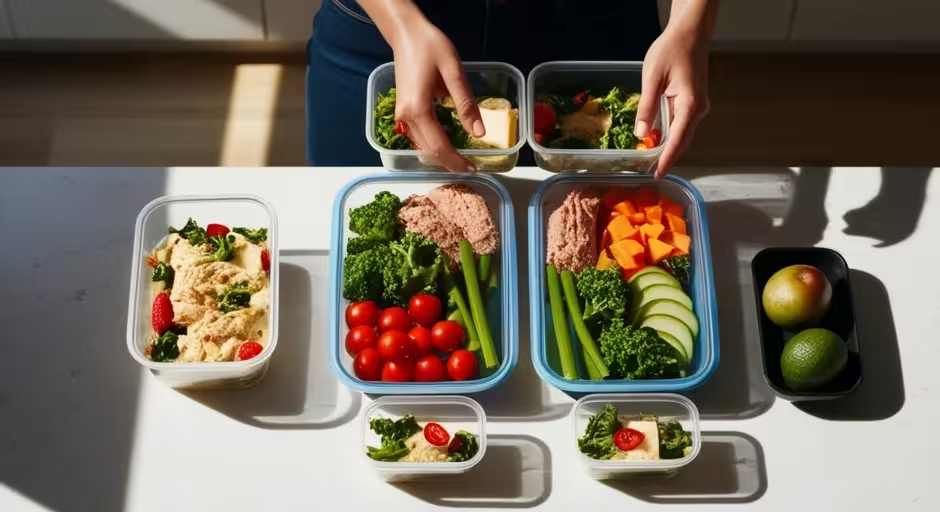
Start drinking water consistently again. Prioritize protein. Eat balanced meals. Move your body. Get adequate sleep. Resume the habits that were supporting your progress before you left.
Most of the temporary fluctuations that occur during vacation begin resolving on their own when you return to your regular routine.
For people using GLP-1 medications through HealthiCare, vacations often bring a different set of concerns. Many members worry that a few days away from their routine will somehow erase the progress they’ve worked so hard to achieve.
The reality is that sustainable weight loss isn’t built around perfection. It’s built around consistency over time.
One of the biggest advantages of the HealthiCare approach is that it focuses on helping members build habits that work in real life. Vacations, holidays, celebrations, and special occasions are all part of life, and learning how to navigate them is an important part of long-term success.
With HealthiCare, members receive support from licensed clinicians who help guide their journey, while the Healthi app, included free with membership, provides the structure needed to return to healthy habits after travel. Through meal tracking, the BITE system, and plans like Healthi Fresh, members have tools that make it easier to get back into their normal routine without feeling like they have to start over.
The goal isn’t to avoid vacations or spend them worrying about food. The goal is to build a lifestyle that’s flexible enough to include vacations while still supporting your long-term health and weight loss goals.
When you look back on your vacation a year from now, chances are you won’t remember what the scale said when you got home.
You’ll remember the places you visited, the people you spent time with, the experiences you had, and the memories you created. Weight loss is important, but it shouldn’t come at the expense of living your life.
A healthy lifestyle has to be flexible enough to make room for vacations, celebrations, and special moments. If your plan only works when life is perfectly structured, it’s going to feel difficult to maintain over the long run.
The most successful people aren’t the ones who never take vacations or never enjoy a restaurant meal. They’re the ones who understand that one week doesn’t define their journey.
Vacation weight often feels much more dramatic than it actually is. While the scale may temporarily increase after travel, that number rarely tells the full story.
Changes in water retention, sodium intake, carbohydrates, sleep, and routine can all influence your weight in the short term. What matters most isn’t what happened during a few days away. What matters is what you do when you return.
Instead of focusing on a temporary fluctuation, focus on getting back to the habits that support your goals. One vacation won’t ruin your progress, just like one healthy meal won’t create it. Long-term success comes from what you do consistently over time.
And sometimes, part of living a healthy life is enjoying the vacation in the first place.
October 5, 2026