

Every year, people head into the Fourth of July with one of two mindsets: avoid all the fun foods or eat everything in sight and promise to “be good” on Monday. Neither approach works very well. This year, try something different. The best strategy has nothing to do with restriction and everything to do with balance.
The Fourth of July is one of those holidays that can feel surprisingly stressful when you’re trying to lose weight.
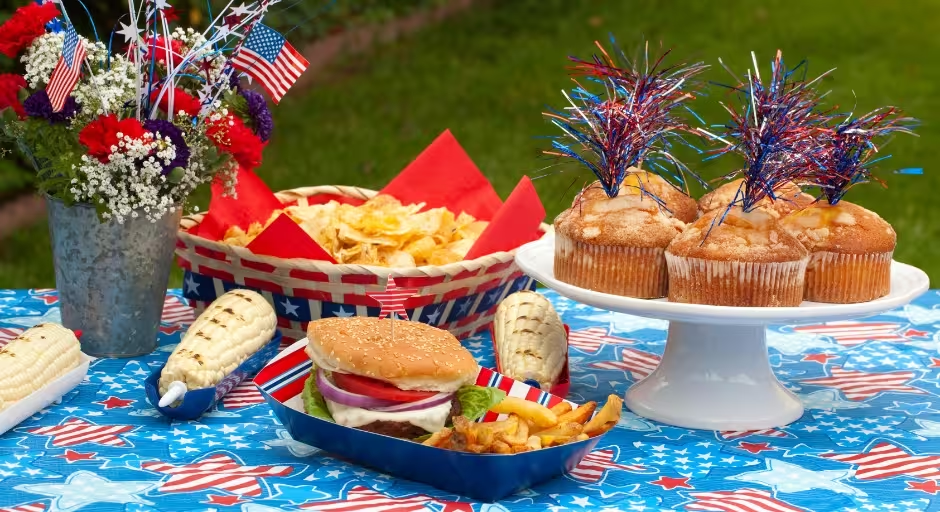
Maybe you’re heading to a family cookout, spending the day at the lake, or attending a neighborhood barbecue. No matter where you’re celebrating, chances are there will be burgers, hot dogs, potato salad, chips, desserts, and plenty of foods that don’t fit into the “perfect” meal plan you imagined at the beginning of the week.
It’s easy to feel like you have two choices. You either avoid everything you actually want to eat and spend the day feeling deprived, or you decide the holiday is a complete loss and eat far beyond the point of enjoyment.
The problem is that neither option teaches you how to navigate real life.
Holidays aren’t interruptions to your weight loss journey. They’re part of your life. Learning how to enjoy them while still feeling good afterward is one of the most valuable skills you can build.
One of the biggest mistakes people make before a holiday gathering is trying to “save up” calories.
Skipping breakfast or eating as little as possible throughout the day might seem like a smart strategy, but it usually has the opposite effect. By the time the food is served, you’re starving. Suddenly every chip, appetizer, and dessert looks irresistible, and making balanced choices feels much harder than it normally would.
Instead, eat the way you usually would earlier in the day. A protein-rich breakfast, a balanced lunch, and plenty of water will help you arrive feeling satisfied instead of desperate.
When you’re no longer making food decisions from a place of extreme hunger, it’s much easier to eat intentionally.
One of the simplest ways to enjoy a cookout without feeling restricted is to build one balanced plate before deciding whether you truly want more.
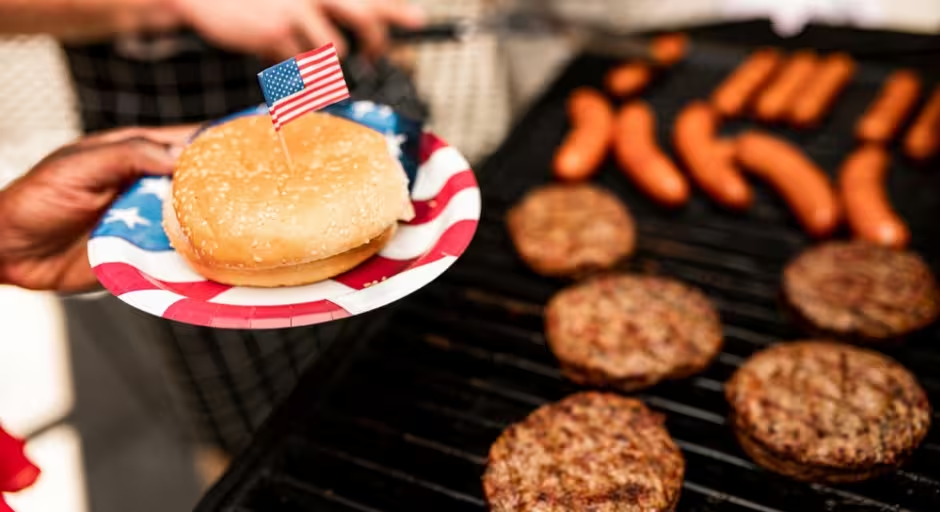
Start with protein whenever possible. Grilled chicken, burgers, hot dogs, pulled chicken, steak, or other grilled meats can all fit into a balanced meal. Then add sides you genuinely enjoy. Fresh fruit, grilled vegetables, corn on the cob, baked beans, pasta salad, or potato salad can all have a place on your plate.
You don’t have to choose only the lowest-calorie options to make progress. The goal is to build a meal you’ll actually enjoy while paying attention to how satisfied you feel along the way.
After you’ve finished eating, give yourself a few minutes before automatically reaching for seconds. You may find you’re already comfortably full.
Holiday foods often come with unnecessary guilt. People talk about “cheating,” “being bad,” or “ruining their diet” simply because they enjoyed a slice of pie or a scoop of potato salad. That way of thinking creates an all-or-nothing mindset that rarely supports long-term success.
A burger isn’t bad. Watermelon isn’t automatically good. Ice cream isn’t a failure, and grilled chicken isn’t a punishment. Food doesn’t carry moral value.
Some foods are more nutrient-dense than others, but every meal exists within the context of your overall eating pattern. One holiday meal doesn’t define your health any more than one salad transforms it.
When you remove guilt from the equation, it becomes much easier to make choices based on enjoyment and satisfaction instead of emotion.
One of the best parts of holiday gatherings is enjoying foods you don’t eat every day.
Instead of filling up on handfuls of chips while standing around talking, think about which foods you’re genuinely excited about. Maybe it’s your aunt’s homemade potato salad, your dad’s smoked ribs, fresh watermelon, or your favorite family dessert.
Those are the foods that often make the holiday feel special.
When you choose intentionally, you may find yourself enjoying those foods even more while naturally eating less of the things you didn’t really care about in the first place.
It’s surprisingly easy to spend an entire gathering thinking about food. You count BITES. You calculate calories. You worry about dessert before you’ve even finished your meal. Meanwhile, the holiday itself is happening around you. The conversations, laughter, backyard games, fireworks, and time with family are the reasons you’re there.
Food is certainly part of the celebration, but it doesn’t have to become the center of it. Sometimes the healthiest thing you can do is put your attention back on the people you’re sharing the day with.

If you’re using GLP-1 through HealthiCare, the Fourth of July may look a little different than it has in the past.
Many members notice they’re satisfied with smaller portions or that certain foods simply don’t sound as appealing anymore. That’s completely normal. At the same time, it’s still important to prioritize balanced meals, protein, and hydration throughout the day instead of unintentionally skipping meals because your appetite is lower.
HealthiCare is about much more than medication alone. Members receive support from licensed clinicians who help them build sustainable habits that work long after the holiday weekend is over.
The Healthi app, which is included free with every HealthiCare membership, makes navigating holidays even easier. You can use the BITE system to build balanced meals that fit your day without feeling restricted, and if you’re heading somewhere after the cookout or grabbing food on the road, the Restaurant Guide in the app and the restaurant guides on the Healthi blog can help you make choices that align with your goals. Instead of guessing what fits into your day, you have practical tools that help you enjoy the holiday while staying aware of your overall intake.
The goal isn’t to eat perfectly on the Fourth of July. It’s to enjoy the holiday while practicing the same balanced habits you’ll use the other 364 days of the year.
It’s easy to give one day more power than it deserves. People often worry that one cookout will erase weeks of progress, but that’s simply not how long-term weight loss works. Just as one healthy meal doesn’t create lasting results, one holiday meal doesn’t undo them. Your progress is built by what you do consistently over time.
When the holiday is over, there’s no need for a detox, a cleanse, or punishing workouts. Simply return to your normal routine, keep drinking water, prioritize protein, and continue building the habits that have been working for you.
That’s where lasting success comes from.
The best Fourth of July strategy has nothing to do with saying no to every food you enjoy. It also has nothing to do with throwing your healthy habits out the window for the entire weekend. Instead, it’s about finding the middle ground.
Eat balanced meals before you go. Build a plate you genuinely enjoy. Make room for your favorite holiday foods. Pay attention to your hunger and fullness, and spend more time making memories than worrying about calories.
A healthy lifestyle should leave room for celebrations. When you stop viewing holidays as setbacks and start seeing them as opportunities to practice balance, consistency becomes much easier to maintain—not just on the Fourth of July, but all year long.
September 23, 2026