


Struggling to stay consistent with your health goals? Coach Jeri breaks down how shifting from quick fixes to a balanced, realistic lifestyle can help you finally break the cycle of losing and gaining—and build habits that actually last.
Coach Jeri here! Many of us have struggled with long-term success when it comes to our health. We lose, we gain, and then we start again. Incorporating lasting changes into our routines can feel difficult. Most of us are creatures of habit, whether those habits are helpful or not, and we naturally gravitate toward what feels easy, comfortable, and familiar.
We strive for success in so many areas of life such as school, work, and raising a family. Yet, even when we are accomplishing so much, it can still feel like we are falling short when it comes to taking care of our health. The truth is, if we applied the same structure and consistency from our professional lives to our personal health, we would likely see much stronger results.
Achieving sustainable weight loss requires a gradual, lifestyle-focused approach rather than a quick fix. Success comes from creating balance between nutrition, movement, and self-monitoring. Healthy habits such as staying hydrated, getting a good night’s sleep, avoiding smoking, and focusing on nutrient-dense foods all support long-term wellness. Portion control, rather than deprivation, and setting realistic, achievable goals are key pieces of the puzzle. It's also important to recognize that there is more than one path to success. People who succeed long term tend to be flexible, adaptable, and willing to adjust along the way.
When you shift your focus from simply losing weight to building a sustainable lifestyle, you create the foundation for lasting success.
1. Embrace Balanced Nutrition
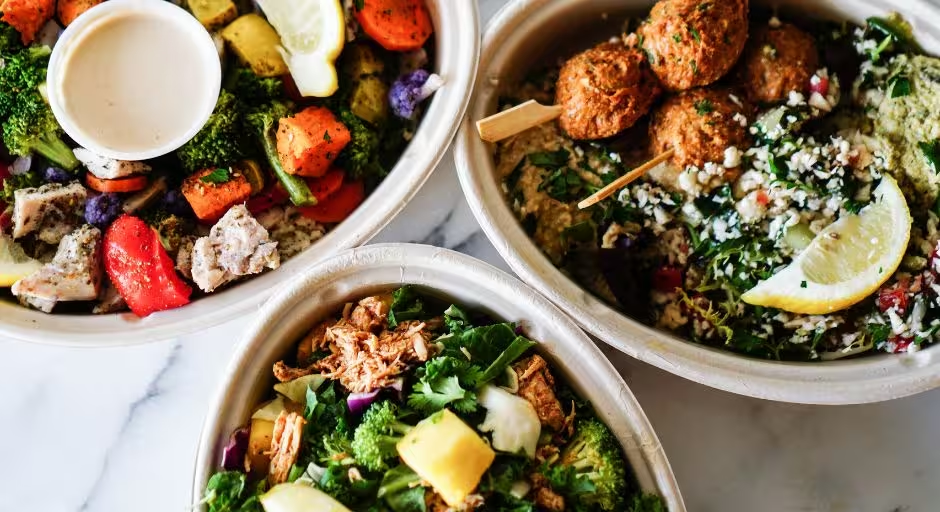
Prioritize vegetables, fruits, whole grains, and lean protein, and build your meals around these foods. Try to limit highly processed foods, added sugars, and unhealthy fats.
2. Practice Mindful Eating
Pay attention to your hunger cues, identify your triggers, and work to manage or avoid them when possible.
3. Build a Support System
Connect with people who understand your journey. Those who have not experienced food noise, emotional eating, or weight cycling may not fully relate, so finding a supportive community can make a big difference.
4. Have a Plan to Get Back on Track
One meal or even one day will not undo your progress. What matters most is how you respond. Your reaction to a slip can either keep you moving forward or hold you back.
5. Celebrate Non-Scale Victories
Non-scale victories matter. Increased energy, better-fitting clothes, improved habits, and better food choices are all meaningful signs of progress.
6. Don’t Wait for Perfect Conditions
Tomorrow or next week is not better than today. Start where you are. Trust yourself to figure things out along the way.
7. Build a Plan for Real Life
Focus on progress-based goals instead of just a number on the scale. Try new foods, experiment with recipes, and get comfortable reading labels and understanding what you are eating.
8. Learn to Enjoy Your Food
Focus on all the foods you can have, not just what you think you should avoid. Highly restrictive plans rarely work long term. When foods are completely off-limits, it often leads to overeating and guilt later on.

It's not enough to eat well and exercise for just a few weeks or months. That pattern often leads right back into the cycle of losing and gaining. To maintain progress, you need to shift the way you think about food and health.
Lifestyle change starts with taking an honest look at your history with food, including patterns of overeating and the challenges that have made it difficult to maintain progress. Keep an open mind, because what worked in the past may not work in the same way now. Most importantly, choose an approach that you can realistically maintain long term.
There are countless trends and fad diets, but if you view them as short-term solutions, you will likely find yourself back where you started. Instead, focus on building a way of eating that supports your life.
Shift your mindset toward eating to live, rather than living to eat.
Long-term success is built on a series of small, consistent victories. Over time, those wins add up and create a sustainable, healthy lifestyle that you can maintain for years to come.
September 23, 2026