

Maintaining a healthy weight as we age can feel more challenging, but it is absolutely possible. As metabolism slows and muscle mass declines, small, consistent changes make a big difference. Coach Jeri shares her personal experience and practical strategies to stay strong, protect your health, and focus on what you gain along the way.
Hi, Coach Jeri here! Like many of our members, I am in my later years, and losing and maintaining weight can be challenging. Your body shape changes naturally as you age. You cannot avoid some of these changes, but your lifestyle choices can help you better manage them.
As we get older, we often deal with medical issues that can affect stamina and slow us down. However, this does not mean we cannot be successful with a few changes.
One of the biggest hurdles is the loss of muscle mass. After age 50, you lose about 10% of your muscle mass per decade, and that directly impacts how calories are burned. Having a higher ratio of muscle allows you to burn more energy, even at rest.
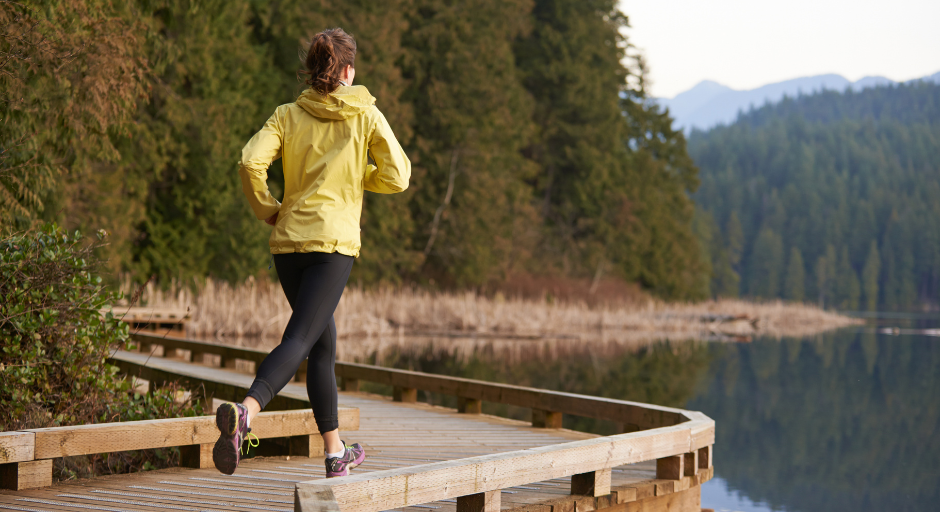
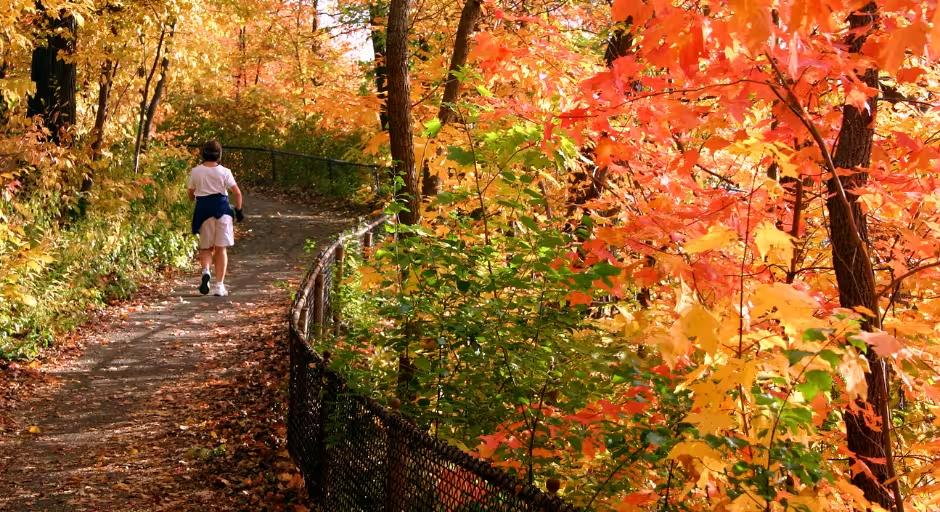
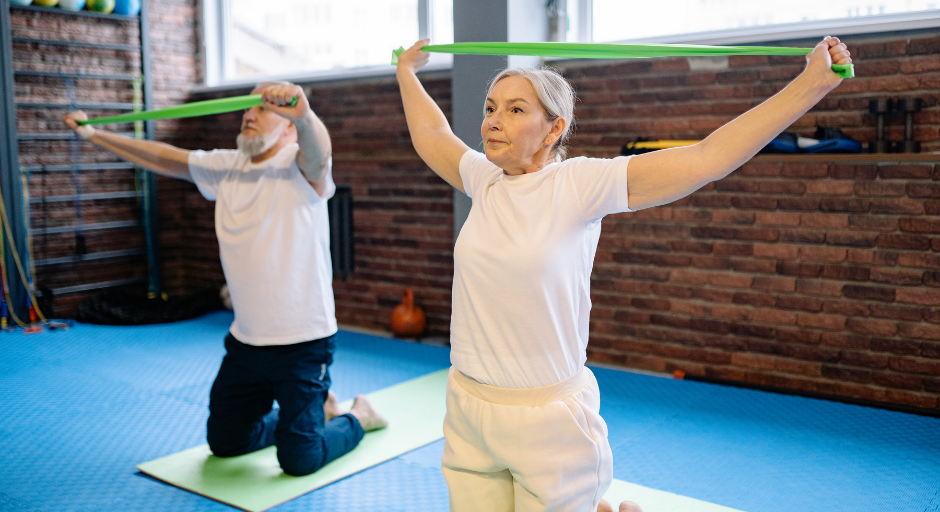
We all know exercise is important. Our bodies were made for movement. You don’t have to join a gym and spend hours on machines. There are many videos to follow at home, and simple walking combined with light weights can improve muscle mass while keeping your body moving in the right direction. Those who combine diet and exercise tend to do better overall.
Weight loss requires adapting to a slower metabolism and reduced muscle mass. What worked in the past may not work the same way now. Your body is different, and you need to address it accordingly.
Many factors can affect weight, including genes, age, sex, lifestyle, family habits, culture, and sleep. Having the right information makes it easier to tackle these issues without being overly restrictive. It comes down to following a nutritious eating pattern and exercising regularly to keep your body as healthy as possible as you age.
Carrying extra weight can be a major risk factor at any age, but in later years, the chances of serious health risks increase. These include high blood pressure, diabetes, heart disease, sleep apnea, and cancer. Bone fractures also become more common as bones grow more fragile.
Losing weight as you age is a complex process influenced by several factors:
Here are some practical strategies to help manage these changes:
Healthy weight ranges for older adults are different from those of younger age groups. The number on the scale — and even BMI calculators — only tells part of the story. Older adults with a “normal” weight may have more fat and less muscle compared to others who are slightly overweight.

February is Heart Healthy Month and it's a time when everyone is encouraged to focus on cardiovascular health. It’s a reminder that many factors affect our bodies as a whole. Don’t look at the obstacles (I know there are many). Look at the possibilities. Focus on what you will gain while you are losing: better-fitting clothes, healthier food choices, less medication, and fewer aches and pains.
It can be done. I am living proof. I have been on thyroid medication for years and am borderline diabetic, but I am healthier now than I have ever been. We all want to prolong life. Losing weight and staying fit can truly be your fountain of youth.
October 5, 2026