


Plateaus don’t mean your body is broken, but they also don’t mean what most people think they do. There’s usually more going on beneath the surface, and understanding that can completely change how you respond.
At some point in almost every weight loss journey, the scale stops moving. Not for a day or two, but long enough that it starts to feel personal. You’re doing the same things that were working before, maybe even trying harder, and yet nothing seems to be changing.
This is the moment where frustration starts to build and the word “plateau” gets thrown around like it’s the end of the road.
But here’s what doesn’t get talked about enough. Not every stall is actually a plateau, and even when it is, it doesn’t mean progress has stopped. More often than not, it means your body is adjusting, your habits have shifted slightly, or there are factors at play that you simply can’t see on the scale.
Understanding what’s really happening in these moments can be the difference between pushing through and giving up.
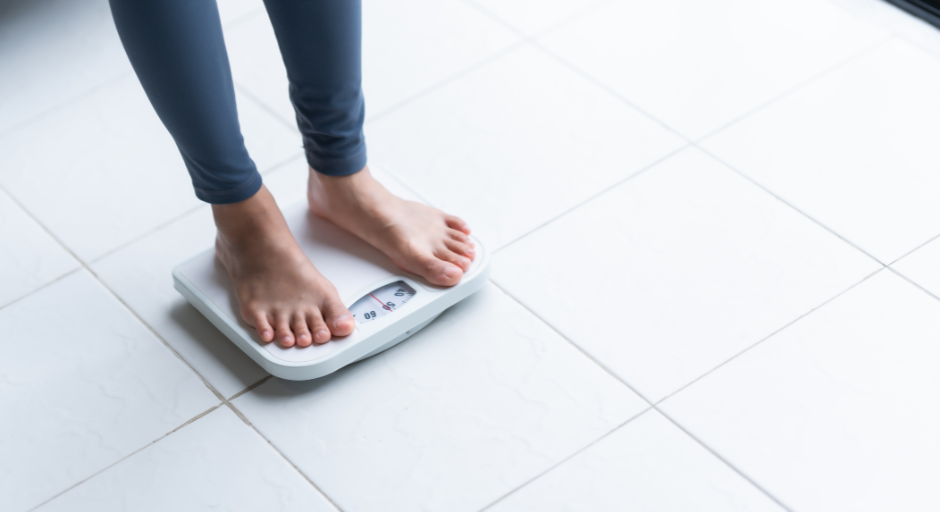
The term “plateau” gets used anytime the scale doesn’t move for a short period of time, but true plateaus are much more specific than that.
A real plateau means you’ve been consistent with your nutrition, movement, hydration, sleep, and overall habits for several weeks, and there has been no change in weight, measurements, or progress.
Most of the time, that’s not actually what’s happening. What’s happening is a temporary stall caused by small shifts in consistency, changes in routine, or even normal body fluctuations like water retention or hormonal changes.
The scale is one data point, and it doesn’t always tell the full story. This is why measuring other types of success (date) becomes so important. You need the full picture, not just a snippet.
One of the most important things to understand is that your body is always trying to adapt.
As you lose weight, your body requires less energy to function. This means your metabolism can naturally slow down slightly over time, not as a punishment, but as a form of efficiency. Your body is simply adjusting to a smaller size.
On top of that, your movement may decrease without you realizing it. You might fidget less, take fewer steps, or simply move a little less throughout the day. These small changes can impact your overall energy output more than you’d expect.
None of this means you’ve done anything wrong. It just means your body has adapted, and your approach may need to adjust with it.
One of the biggest reasons people feel stuck is not because they’ve stopped trying, but because their habits have slowly become less consistent. Tracking might become less accurate. Portions might get a little looser. Weekends might look different than weekdays. Movement might decrease just enough to make a difference.
These shifts are usually small and unintentional, which is why they’re easy to miss. But over time, they can add up and create the illusion that nothing is working anymore. This is where a gentle, honest check-in can be more powerful than trying to do more or start over.

There are also factors that have nothing to do with effort, but everything to do with how your body responds.
If you’re not well hydrated, your body may hold onto water, masking fat loss on the scale. If your sleep is inconsistent, hunger hormones and energy levels can shift, making it harder to stay consistent. If your stress levels are high, cortisol can impact both water retention and fat storage.
These aren’t excuses. They’re real physiological responses that deserve attention. And sometimes what looks like a plateau is actually your body asking for better support, not more restriction.
If you’re using GLP-1 medications, plateaus can show up in a slightly different way. Because appetite is reduced, it’s easy to eat less overall, but not necessarily eat what your body actually needs. Protein intake might drop, nutrient intake might become inconsistent, and strength training might not be prioritized.
This can lead to muscle loss, lower energy, and a slower metabolic rate over time, which can impact progress. GLP-1 can be an incredibly helpful tool, but it works best when it’s paired with intentional nutrition and structure. Appetite suppression alone does not guarantee long-term results.
When progress slows down, the instinct is often to do something extreme or to start fresh on a Monday. But most of the time, the answer is not doing more. It’s doing the basics more consistently.
This might look like tightening up your tracking for a week, increasing your daily movement, prioritizing protein, or simply making sure you’re supporting your body with enough water and sleep. Instead of reacting emotionally, you respond strategically.
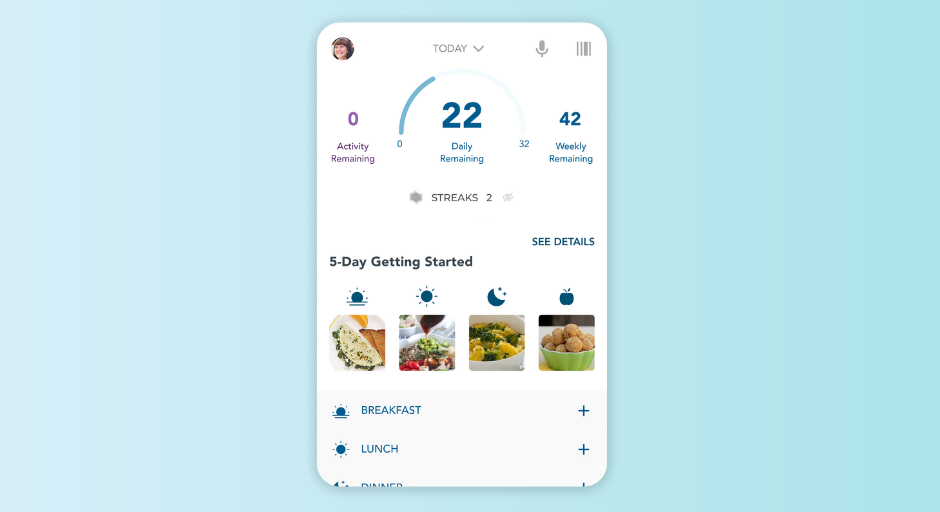
This is where the Healthi app becomes such a valuable tool. It gives you a clear, honest picture of your habits, your intake, and your patterns so you’re not left guessing what might be going on.
Tracking your BITES, meals, and daily behaviors helps you identify small shifts before they turn into long stalls, and it allows you to adjust without feeling like you need to start over.
For those using GLP-1 or needing more structured support, HealthiCare adds another layer with personalized guidance, clinician support, and plans designed to help you protect your metabolism, maintain muscle, and navigate plateaus in a way that actually supports long-term success.
Weight loss plateaus can feel frustrating, especially when it seems like your effort isn’t matching your results. But they aren’t a sign that your body has stopped working or that your progress is over. More often than not, they are a signal. A signal to check in, to adjust, and to support your body in a slightly different way.
You don’t need to panic. You don’t need to start over. And you definitely don’t need to assume that nothing is working. Progress is still happening, even when it’s not immediately visible. The goal is to stay consistent long enough to see it.
October 5, 2026