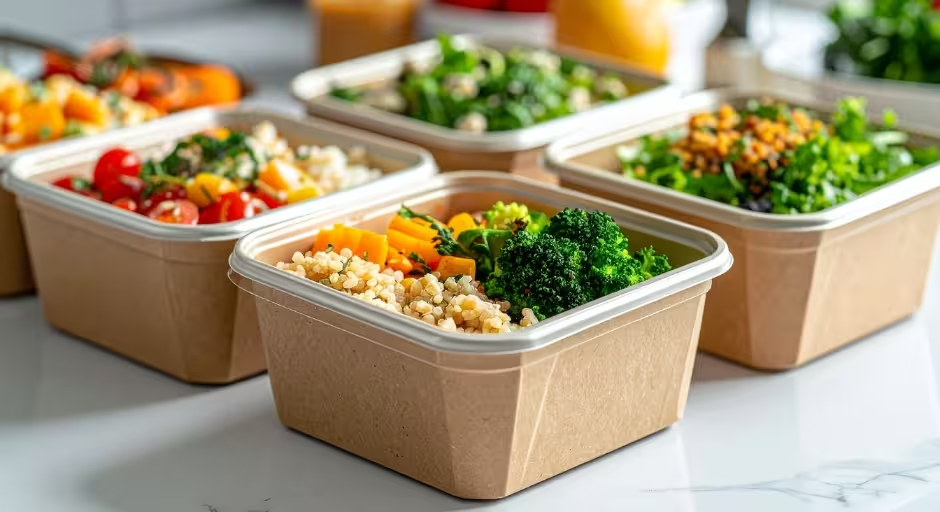


Meal prep doesn’t have to take over your weekend or leave you eating the same lunch five days in a row. A simple, flexible approach can make healthy eating fit into real life without adding more stress to your schedule.
Meal prep without the overwhelm is possible, but it usually requires letting go of the idea that meal prep has to be perfect. Many people think they need to spend hours cooking every Sunday, portion every meal into matching containers, and follow the exact same menu all week long. That expectation alone is enough to make meal prep feel like another full-time job. In reality, the people who stay consistent with healthy eating over the long term are often the ones who keep meal prep simple, flexible, and realistic.
Somewhere along the way, meal prep became associated with perfection. Social media is filled with beautifully organized refrigerators, elaborate recipes, and enough prepared food to feed a family for an entire week. Those pictures are certainly motivating, but they can also send the message that if you can’t do all of that, it isn’t worth doing anything at all.
That way of thinking causes more frustration than success. Healthy habits don’t have to be impressive to be effective. Most people don’t need a refrigerator full of perfectly portioned meals. They simply need a plan that makes tomorrow a little easier than today.
One of the biggest reasons people struggle with meal prep is that they try to prepare every meal for every day of the week before Monday even begins. On paper, it sounds like a great idea. In practice, it often means spending several hours shopping, cooking, portioning, labeling, and cleaning up. By the time everything is finished, you’ve devoted most of your day off to preparing for the week ahead. Even if you enjoy cooking, that isn’t always sustainable.
Life changes quickly. Plans come up. A friend invites you out for dinner. Your family wants pizza one night. You end up with leftovers you didn’t expect. Suddenly those carefully planned meals no longer fit your week, and instead of feeling prepared, you feel guilty for wasting food or abandoning your plan. That’s why so many people decide meal prep simply doesn’t work for them.
The problem usually isn’t meal prep itself. It’s expecting a system that leaves no room for real life. The more rigid your plan becomes, the easier it is for one unexpected event to make it feel like everything has fallen apart.
A good meal prep system should reduce stress, not create more of it. If preparing your food leaves you exhausted before the week even starts, the system probably needs to be simplified.
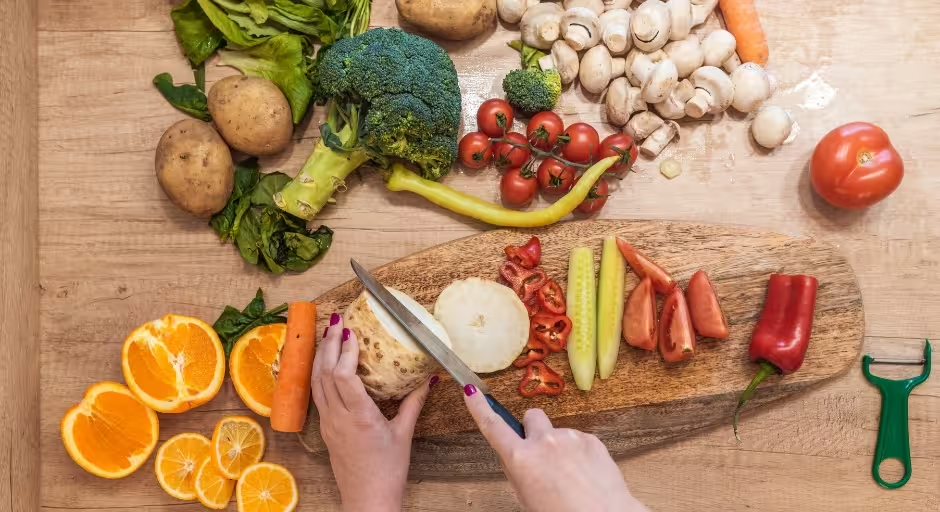
One of the easiest ways to make meal prep feel more manageable is to stop thinking about complete meals and start thinking about building blocks.
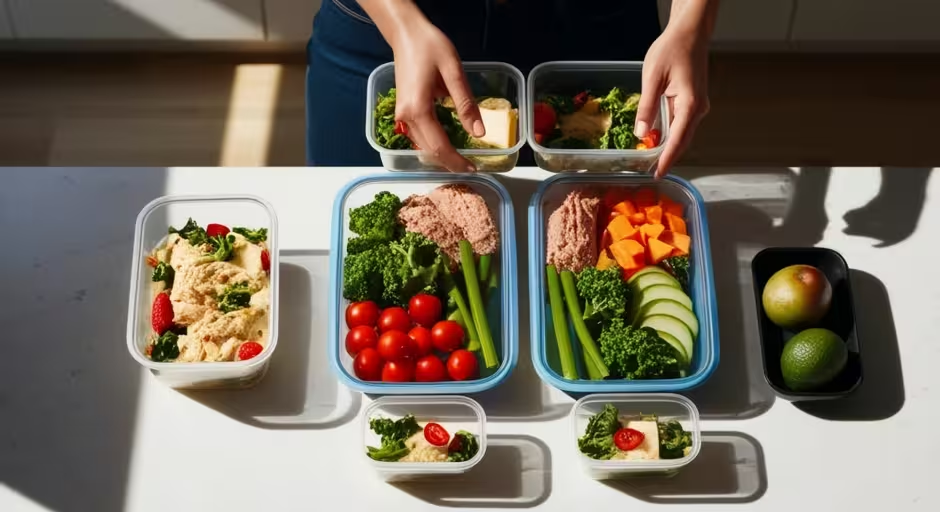
Instead of making five identical lunches, prepare ingredients that can be mixed and matched throughout the week. This approach gives you far more flexibility while still saving plenty of time.
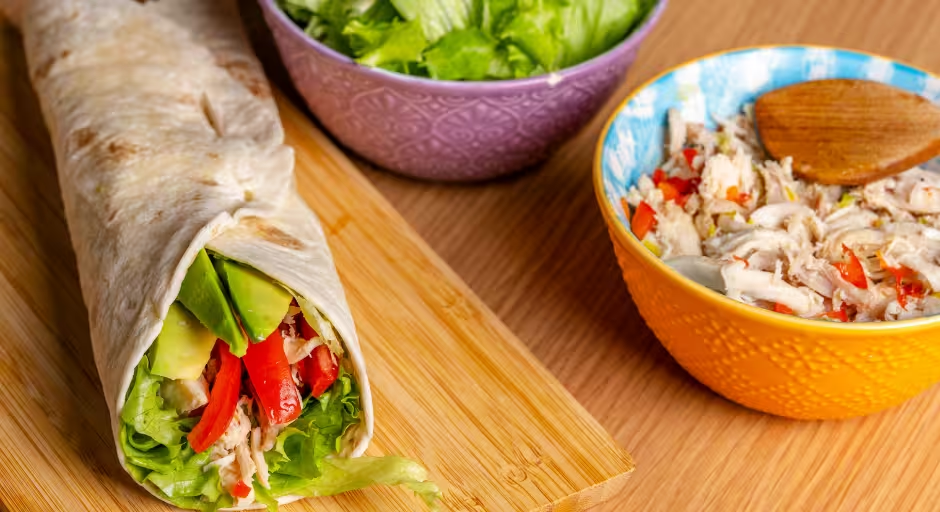
For example, grilling several chicken breasts on Sunday doesn’t mean you’ll be eating grilled chicken every day. One night it may become tacos with fresh salsa and avocado. The next day it could be added to a salad for lunch. Later in the week, it might be tossed into a wrap, stirred into a pasta dish, or paired with roasted vegetables and rice for a quick dinner.
The same idea works with many staple foods. A batch of cooked ground turkey can become taco bowls, stuffed peppers, or spaghetti. Roasted vegetables can be served alongside dinner one evening and folded into an omelet the next morning. Brown rice or quinoa can work in grain bowls, soups, or stir-fries throughout the week.
Preparing ingredients instead of complete meals keeps healthy eating from becoming repetitive. It also gives you the freedom to eat what sounds good that day instead of forcing yourself to eat something simply because you already prepared it.
One reason healthy eating feels overwhelming is that many people believe every meal needs a recipe. In reality, some of the healthiest meals are also the simplest.
Rather than asking yourself what you’re going to cook every time you’re hungry, it helps to follow a basic framework. Start with a source of protein. Add a fruit or vegetable. Include a source of fiber or whole grains if it fits your needs, then finish the meal with a healthy fat when appropriate. This approach removes a surprising amount of decision-making from your day.
A grilled chicken breast with roasted broccoli and brown rice is a complete meal. So is Greek yogurt topped with berries and chopped walnuts. A turkey sandwich on whole-grain bread served with fresh fruit and baby carrots works just as well. None of those meals require complicated recipes, but each one provides balanced nutrition that can help you stay satisfied and energized.
When you stop expecting every meal to be exciting or elaborate, healthy eating often becomes much easier to maintain. Some meals are simply there to fuel your day, and that’s perfectly okay.
One of the most common mistakes people make is buying too many ingredients with the hope of creating endless variety. Ironically, that often leads to food waste, higher grocery bills, and vegetables that sit untouched in the refrigerator until they’re thrown away a week later. A smaller grocery list is often a smarter grocery list.
Choose a handful of proteins, several fruits and vegetables, a few sources of whole grains, and healthy fats that you genuinely enjoy eating. Those ingredients can be combined in dozens of different ways without making every meal taste the same.
For example, grilled chicken, lean ground turkey, Greek yogurt, eggs, salad greens, cucumbers, broccoli, berries, apples, brown rice, oats, whole-grain tortillas, avocados, and almonds can become breakfasts, lunches, dinners, and snacks all week long. The ingredients stay familiar, but the meals continue to feel different depending on how you combine them.
Buying food with flexibility in mind often makes meal planning feel much less stressful. Instead of shopping for seven specific recipes, you’re stocking your kitchen with foods that give you options.
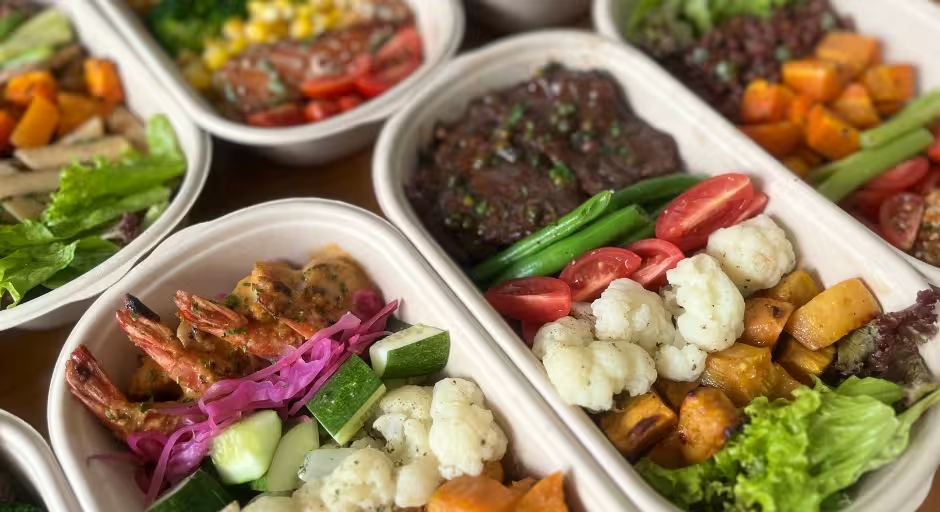
One of the biggest misconceptions about meal prep is that every meal has to be finished before the week begins. For most people, that simply isn’t realistic. Spending an entire afternoon cooking can leave you feeling burned out before Monday even arrives, and it often turns healthy eating into something that feels like a chore instead of a helpful routine.
A better approach is to identify the parts of your week that usually feel rushed and prepare only the foods that will make those moments easier. Maybe breakfast is always hectic, so overnight oats or egg muffins save you time in the morning. Perhaps lunches are your biggest challenge, so you cook extra chicken and wash your salad greens ahead of time. If weeknight dinners tend to fall apart after work, chopping vegetables or cooking a batch of rice can make getting dinner on the table much quicker.
Even thirty minutes of preparation can make a noticeable difference. Washing fruit, portioning snacks, chopping vegetables, or cooking one protein source may not seem like much, but those small tasks remove decisions from your busiest days. Over time, those small wins build consistency far better than an ambitious plan you only complete once.
If you’re taking a GLP-1 medication, your meal prep strategy may look different than it did before starting treatment. Reduced appetite often means you aren’t eating large portions, but your body still needs adequate protein, fiber, healthy fats, vitamins, and minerals to support your health while losing weight.
Many people make the mistake of preparing large meals they simply don’t feel like eating later in the week. The food sits in the refrigerator, goes uneaten, and meal prep starts feeling wasteful. Instead, focus on preparing smaller portions of nutrient-dense foods that are easy to eat when your appetite is lower.
Keeping convenient protein options available can make a tremendous difference. Greek yogurt, cottage cheese, hard-boiled eggs, grilled chicken, tuna packets, rotisserie chicken, protein shakes, and individual cheese sticks require very little preparation while helping you meet your protein goals throughout the day. Pairing those foods with fresh fruit, vegetables, or whole grains creates balanced meals without requiring a lot of cooking.
It’s also helpful to think beyond traditional meals. Some days, a protein shake with fruit or a small snack plate may feel more appealing than a full dinner, and that’s okay. The priority is making it easy to nourish your body consistently rather than waiting until you’re hungry enough for a large meal.
One reason people stop meal prepping is that they assume every week has to look the same. They miss one Sunday, order takeout twice, or leave vegetables untouched in the refrigerator, and they feel like they’ve failed. Healthy eating doesn’t work that way.
Some weeks you’ll have plenty of time to cook. Other weeks you’ll be juggling work, family, vacations, or unexpected commitments. Your meal prep system should be flexible enough to change with your schedule instead of demanding that your schedule revolve around it.
There will be weeks when preparing one protein and washing your fruit is enough. There will also be weeks when you have time to make soups, casseroles, or freezer meals. Both approaches can support your goals. What matters most is continuing to do something instead of feeling like you have to do everything.
Consistency is built through habits you can repeat, not through perfect weeks that are impossible to maintain.
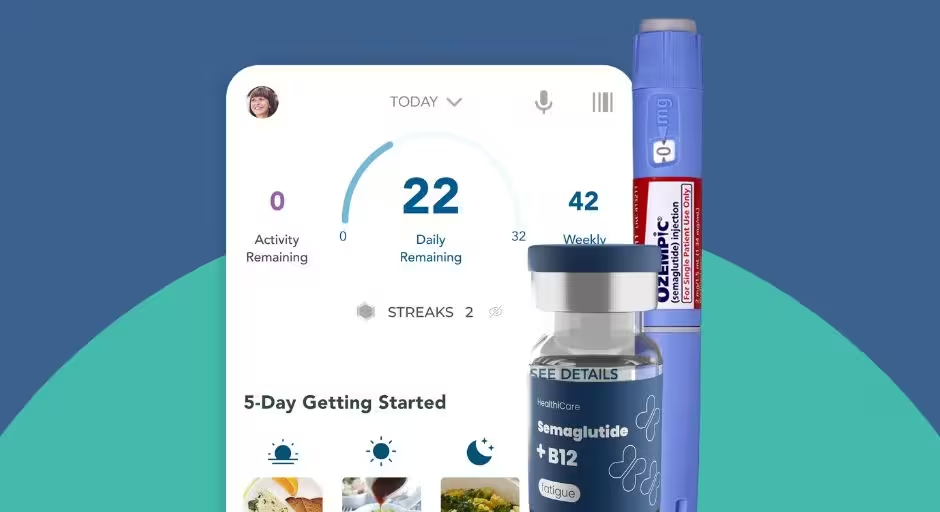
Planning meals becomes much easier when you don’t have to make every decision on your own. That’s one reason so many HealthiCare members find the Healthi app helpful as part of their weekly routine.
Every HealthiCare membership includes the Healthi app at no additional cost. Members have access to meal tracking, the BITE system, restaurant guides, and the Healthi Fresh plan, which was created with an emphasis on protein and fiber to support healthy, sustainable weight loss.
The app can also remove much of the guesswork that often makes meal planning feel overwhelming. Instead of wondering whether a meal fits into your day, you can build balanced meals, track your progress, and plan ahead with confidence. Whether you’re cooking at home, packing lunches for work, or preparing meals before a busy weekend, having those tools available can make healthy choices feel much more manageable.
Meal prep doesn’t have to be complicated to be effective. Sometimes having a simple plan and the right resources is all it takes to stay consistent.
The best meal prep system is the one you’ll actually keep using.
For some people, that means spending an hour in the kitchen on Sunday afternoon. For others, it means grilling extra chicken while making dinner, washing fruit after grocery shopping, or preparing tomorrow’s lunch before going to bed. There isn’t one right way to meal prep, and there doesn’t need to be.
Healthy habits become sustainable when they fit naturally into your life instead of competing with it. A flexible system gives you room for busy schedules, changing plans, vacations, and everything else that comes with everyday life while still making healthy choices easier.
Meal prep without the overwhelm isn’t about doing more. It’s about removing barriers so nourishing yourself feels simpler from one day to the next. When you stop chasing perfection and start focusing on preparation that fits your lifestyle, consistency becomes much easier to maintain. Those small, repeatable habits often have a bigger impact than the most elaborate meal plan ever could.
September 23, 2026