

Plain coffee is linked to slightly less weight gain; sugar and seasonal lattes lean the other way. What a large study found, how caffeine timing affects sleep, and a coffee routine that helps.
The first cold morning of fall, you're in line at the coffee shop, and the menu board is doing its best work: pumpkin spice, salted caramel, maple something. You order your usual, then stand there wondering whether the coffee habit is quietly helping your weight loss or quietly wrecking it.
So, does coffee help you lose weight? Plain coffee, a little. In a large study of U.S. adults followed for decades, each extra cup of unsweetened coffee per day was linked to slightly less weight gain over time, while each added teaspoon of sugar was linked to slightly more. The effects were small either way, which is the honest headline: black coffee is a mildly helpful habit, not a fat-burning tool, and what you stir into it (or what the barista pumps into it) matters far more than the coffee itself. If you log in the Healthi app, this is a good month to log the coffee drinks and not just the meals, because a fall latte can quietly be the biggest "snack" of your day.
Let's pour through what the research actually shows.
In 2023, researchers from Harvard and the University of Navarra pooled data from three long-running U.S. cohorts of health professionals, tracking coffee habits and weight in four-year chunks. Published in the American Journal of Clinical Nutrition, the analysis found that increasing unsweetened coffee by one cup a day, caffeinated or decaf, was associated with about 0.12 kg (roughly a quarter pound) less weight gain over four years. Adding one teaspoon of sugar a day was associated with about 0.09 kg more. Cream and non-dairy creamer didn't make a meaningful difference either way. The associations were somewhat stronger in younger people and in people with a higher starting weight.
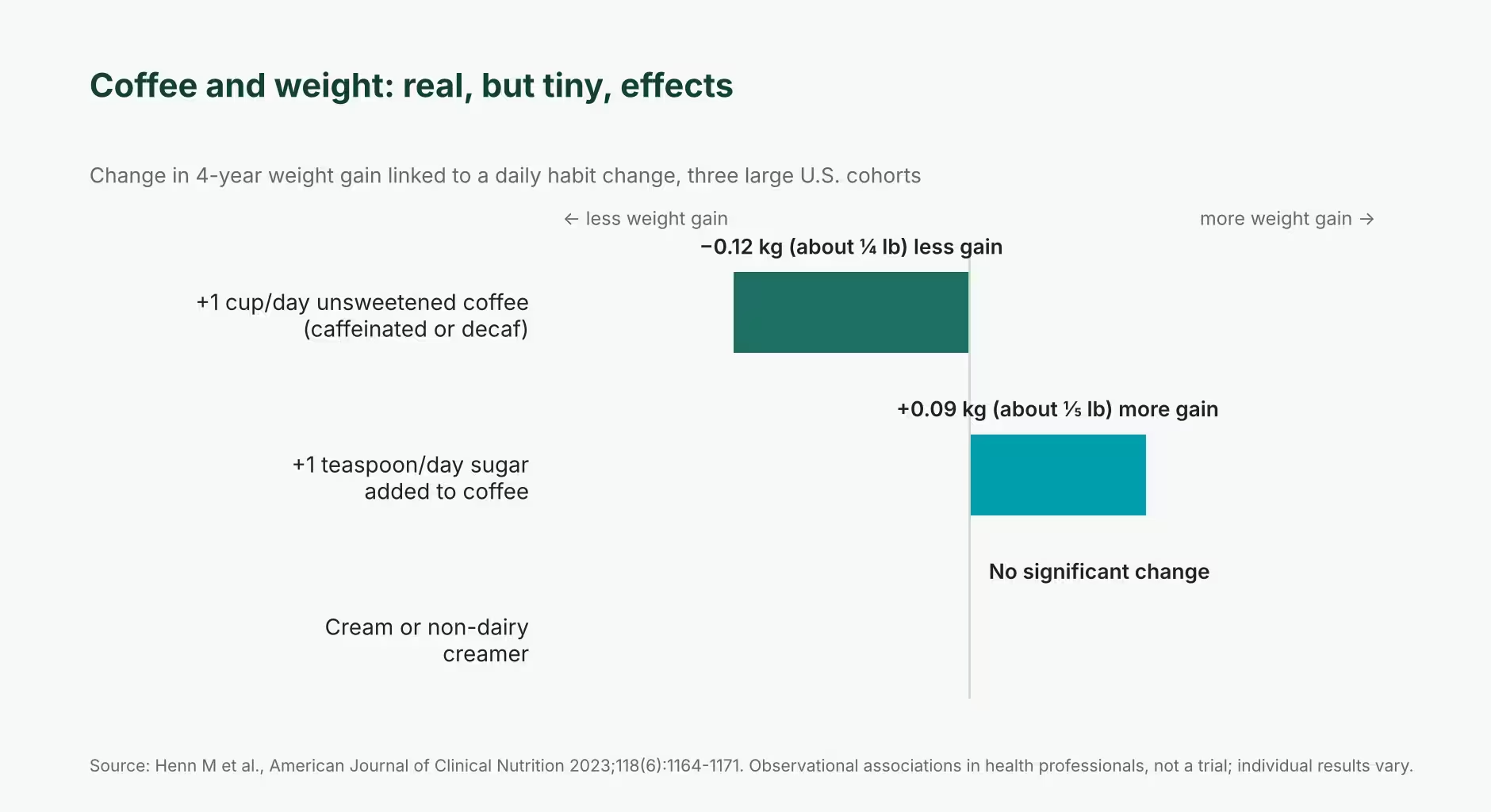
A little context helps put these findings in perspective. The study looked at patterns in people’s reported coffee habits and weight over time, so it can show an association—but it can’t tell us that coffee caused the difference. And the difference was small: about a quarter pound over four years. So there’s no need to start drinking coffee for weight loss, and if coffee isn’t your thing, you’re not missing a secret ingredient. If you enjoy it, unsweetened coffee can fit into your routine; adding sugar may have a small effect over time. Your overall habits matter much more than what’s in your mug.
A few sensible reasons, none of them magic. Black coffee has almost no calories, so it's one of the rare "treats" that doesn't cost anything. Caffeine is a mild stimulant, which is part of why people feel more like moving after a cup. And for many of us, a hot mug is a comforting ritual that satisfies the urge for something without that something being a pastry. That last one may be the most useful: a coffee at 3 p.m. that replaces a vending-machine run is a small win that repeats every weekday.
Decaf counted too in the study, which suggests the benefit isn't all about caffeine. Some of it may simply be what coffee tends to replace.
This is where "coffee" stops being coffee. A grande (16-ounce) hot pumpkin spice latte made with 2% milk and whipped cream comes to about 390 calories and 50 grams of sugar, according to the Center for Science in the Public Interest, which breaks it down each fall. Roughly 32 of those sugar grams, about 7½ teaspoons, are added sugar from the pumpkin sauce and the whipped cream. The rest is naturally in the milk.
Put that next to the study above: the research linked a single added teaspoon a day to slightly more weight gain, and a seasonal latte carries more than seven of them. Calorie-wise, 390 is a meal, not a beverage. Have one on a crisp Saturday and enjoy every sip. Have one every weekday morning from September through Thanksgiving and it's roughly 2,000 extra calories a week.
The fix isn't to swear off fall drinks. It's to order them on purpose. A regular latte has no added sugar. Asking for fewer pumps of sauce, skipping the whip, or going with a smaller size each knock a meaningful chunk off. And if you love the flavor, our DIY fall coffee house favorites show how to get there at home with a fraction of the sugar. For more on where sweeteners hide in "healthy-sounding" items, see spotting sneaky sugars.
Here's a less obvious way coffee can work against weight loss: timing. In a small study published in the Journal of Clinical Sleep Medicine, described by the American Academy of Sleep Medicine, healthy sleepers who took 400 mg of caffeine six hours before bedtime lost more than an hour of measured sleep, and they mostly didn't notice. Their sleep diaries said they slept fine; the monitors said otherwise.
Why that matters for your goals: short sleep tends to show up the next day as more hunger, more cravings, and less interest in the walk you were going to take. If the scale's been stubborn and you're having a big coffee at 4 p.m., that's a cheap experiment to run. Try moving your last caffeine to early afternoon for two weeks and notice what changes. (Our post on how quality rest supports your goals goes deeper on the sleep-and-appetite connection.)
For healthy adults, the FDA cites about 400 milligrams of caffeine a day as an amount not generally associated with negative effects, roughly four or five cups of regular coffee depending on the brew. By its figures, a 12-ounce cup of brewed coffee runs anywhere from 113 to 247 mg, which is a wide range; a large specialty drink can carry well over 300 mg on its own. Some people feel jittery, anxious, or get an upset stomach well under 400 mg, and pregnancy, certain medications, and some health conditions call for less. If a coffee habit is leaving you wired, shaky, or awake at 2 a.m., that's your body's number, whatever the chart says.

Pulling it together, here's what a weight-friendly coffee habit tends to look like. Not rules, just the version of the habit that lines up with the evidence:
If you're on a GLP-1 medication and your stomach has become pickier about coffee, our sister blog's guide to what to drink on GLP-1 besides water has some gentler options.
Your morning coffee is not the reason the scale is stuck, and it's not going to be the reason it moves. What's in the cup, when you drink it, and what it replaces are the parts worth paying attention to. Keep the ritual. Just make the sweet, whipped, seasonal version a choice you make a few times a season rather than a default you make every day.
Want to see what your coffee drinks really add up to over a week? Logging them in the Healthi app for seven days is an eye-opener for a lot of people, and our coaches are happy to help you find a fall drink order you'll enjoy without the sugar hangover.
This article is for general information and isn't a substitute for medical advice. If you're pregnant, sensitive to caffeine, or have a heart, sleep, or anxiety condition, talk with your provider about how much caffeine is right for you.
October 13, 2026