

Fall routines can make healthy eating and weight loss feel easier—or make it surprisingly easy to fall back into old habits. A few simple changes to meals, movement, hydration, and daily routines can help you stay consistent without turning the season into another all-or-nothing diet.
September often brings a natural shift in routine. Summer vacations wind down, school and work schedules become more predictable, and those long, spontaneous days start giving way to a little more structure. That makes fall a great time to revisit the habits that support your weight-loss goals.
The biggest changes don't have to be dramatic. In fact, small healthy habits are often easier to maintain because they fit into your existing life instead of requiring you to completely reorganize it. A better breakfast, an extra glass of water, a few more walks, or a little weekend meal prep can add up over time.
Busy mornings can make breakfast one of the first things to disappear from a healthy routine. When you're rushing out the door, it's tempting to grab whatever is convenient or wait until you're already starving to figure out what to eat.
Having a few reliable breakfast options ready to go can make a big difference. Greek yogurt with berries and chia seeds, eggs with whole-grain toast, overnight oats with added protein, or a protein smoothie can give you a balanced starting point without requiring a complicated recipe.
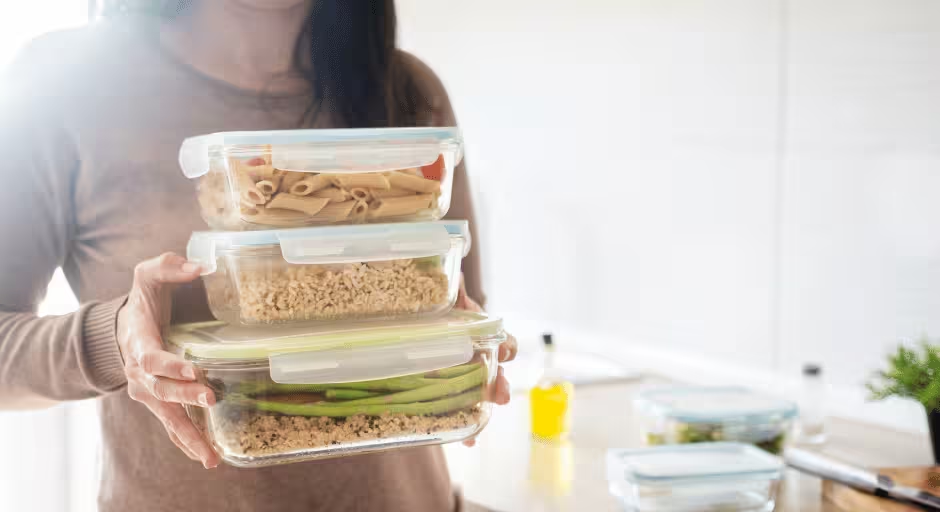
If mornings are especially hectic, prepare a few portions ahead of time. A little work on Sunday can make the rest of the week much easier.
Summer can make meals feel unpredictable. Between vacations, cookouts, sporting events, and late evenings, it's easy to spend weeks eating at completely different times and relying more heavily on restaurant or convenience food.
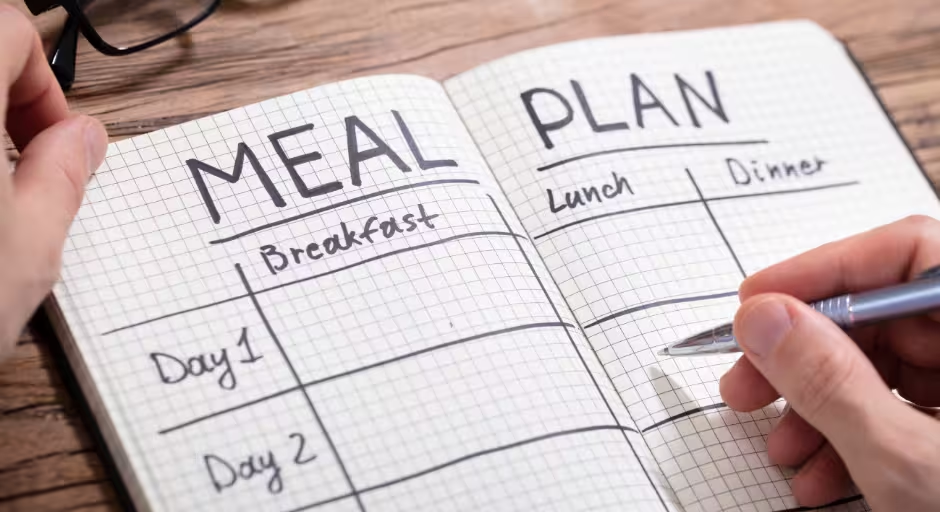
Fall is a good opportunity to bring back some structure without becoming overly rigid. Try choosing a few dependable meals for breakfast and lunch, keeping easy ingredients stocked at home, and planning dinners before the week gets busy.
Meal planning doesn't have to mean preparing seven identical containers on Sunday. Sometimes it simply means knowing what's for dinner before 5 p.m. arrives and everyone is hungry.
Protein deserves some extra attention during weight loss because it helps support lean muscle and can contribute to feelings of fullness. Rather than trying to calculate everything perfectly, make protein a regular part of your meals and snacks.
Eggs, chicken, turkey, fish, lean beef, Greek yogurt, cottage cheese, beans, lentils, and other protein-rich foods can all work depending on your preferences. Adding protein to meals you already enjoy is often easier than trying to completely change the way you eat.
For anyone using GLP-1 medication, this can be especially important when appetite is reduced. Smaller meals may be easier to tolerate, but they can still provide meaningful nutrition when protein is prioritized.
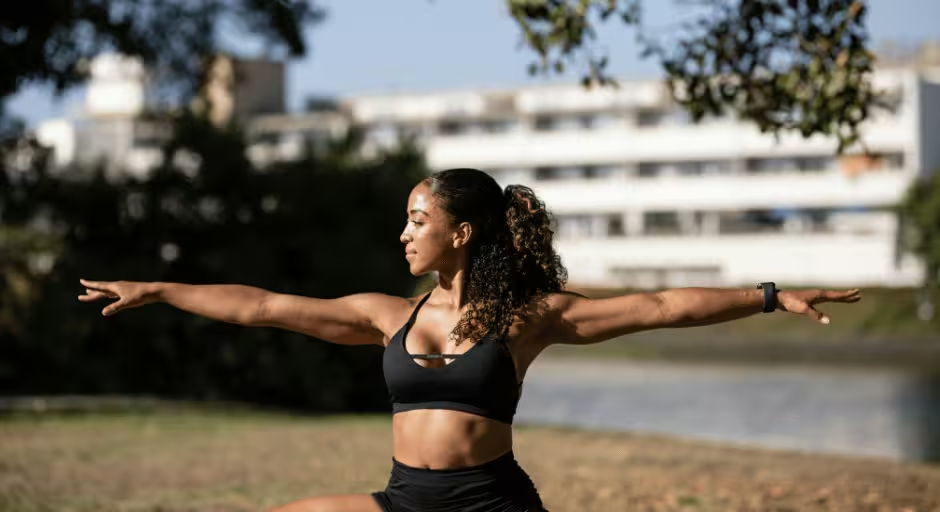
Summer heat can make outdoor activity uncomfortable, while fall often brings cooler temperatures that make movement much more enjoyable. This is a perfect opportunity to find simple ways to become more active without making exercise feel like another chore.
Take a walk after dinner, watch a local sports game on foot instead of sitting the entire time, take the dog around the neighborhood, or spend a Saturday afternoon outside. Strength training is another valuable addition, particularly during weight loss, when maintaining muscle is an important part of supporting a healthy body composition.
You don't need an elaborate workout schedule to become more active. Building movement into the parts of your day that already exist can be surprisingly effective.
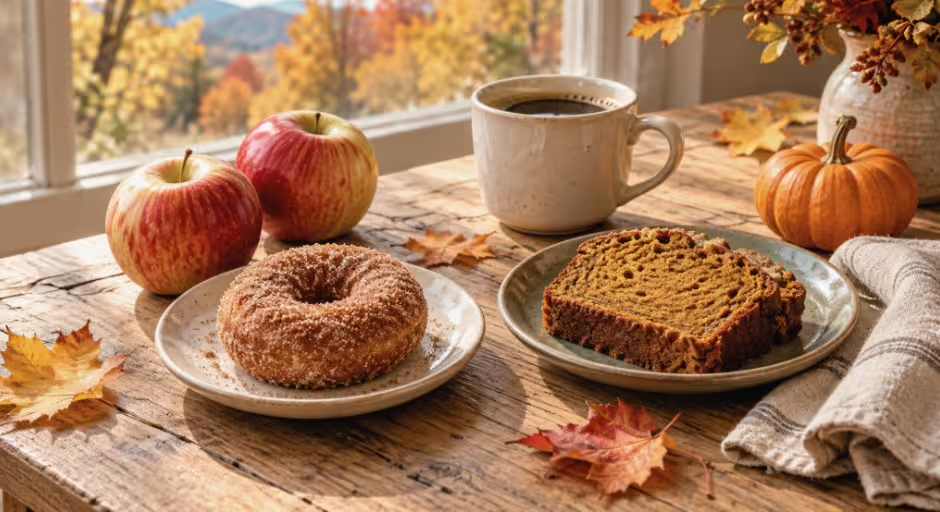
Pumpkin everything, apple desserts, casseroles, soups, football snacks, and holiday treats are part of what makes fall fun. There's no reason to eliminate the foods you enjoy simply because you're working toward a weight-loss goal.
Instead, look for simple ways to make favorite meals more balanced. Add vegetables to soups and casseroles, choose leaner proteins when possible, pair carbohydrate-rich foods with protein and fiber, and pay attention to portions without turning every meal into a math problem.
You can also enjoy the foods that only come around once a year. One bowl of chili, slice of apple pie, or plate of game-day snacks won't determine your progress. Your overall eating pattern matters much more than any single meal.
It's easy to associate hydration with hot summer days, but your body still needs fluids when temperatures drop. Cooler weather may simply make you less aware of thirst throughout the day.
Keep a water bottle nearby at your desk, in the car, or wherever you spend most of your time. Herbal tea, sparkling water, and other low- or no-calorie beverages can also help you stay hydrated if plain water isn't appealing.
For people taking GLP-1 medication, staying hydrated can be particularly important. Reduced appetite, changes in food intake, and gastrointestinal side effects can make it easier to fall short on fluids without realizing it.
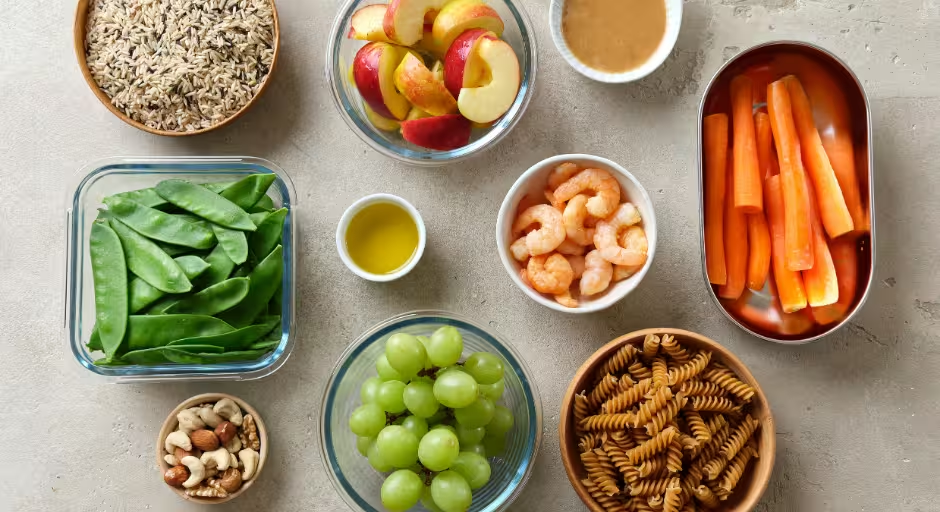
You don't need to spend your entire Sunday meal prepping to make Monday easier. Even 20 or 30 minutes of planning can remove some of the decisions that tend to derail healthy eating during a busy week.
Wash and cut a few vegetables, prepare a protein, portion snacks, make overnight oats, or simply write down a few dinner ideas. Checking the calendar can help, too. If Tuesday includes a late practice or Wednesday has an evening event, planning around those busy days ahead of time makes healthy choices much easier.
The goal is to create convenience for yourself. When nutritious food is ready and accessible, you're less likely to rely on whatever happens to be easiest when you're hungry.
Small changes become easier to recognize when you can actually see your progress. The Healthi app gives you tools to track meals, monitor your weight, set goals, and stay connected to the habits you're working on.
The app's BITE system, meal tracking, restaurant guides, and Healthi Fresh plan can also make it easier to stay consistent when your schedule gets busy. Instead of waiting for motivation to show up, you can use simple tracking tools to keep your goals in front of you.
For members using GLP-1 medication through HealthiCare, that support becomes part of a larger approach to weight loss that combines medication, clinical care, and practical tools for building sustainable habits.
A healthier fall doesn't require a complete reset or a strict new diet. Start with the changes that would make your everyday life a little easier, then give yourself time to build on them.
Maybe that means preparing breakfast the night before, keeping protein-rich snacks available, taking a walk after dinner, drinking more water, or spending a few minutes planning your week on Sunday. These choices may seem small on their own, but repeating them consistently can create meaningful progress over time.
Fall doesn't have to be another season of starting over. It can be the season when healthy habits become a little more practical, a little more consistent, and much easier to maintain.
September 23, 2026